Every business owner needs a clear financial statements overview to understand where their business stands and make informed decisions. Yet, many owners don’t use them as often as they should.
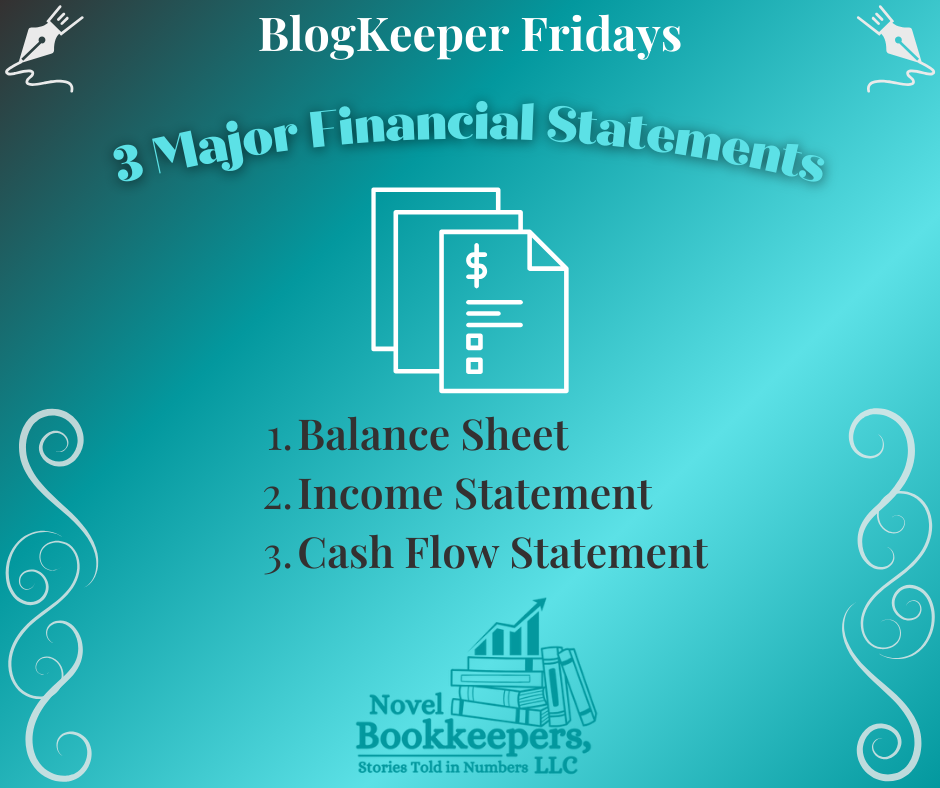
A strong financial statements overview includes three reports every business relies on:
✔ The Balance Sheet – Shows what you own and owe
✔ The Income Statement – Tracks revenue, expenses, and profit
✔ The Cash Flow Statement – Reveals how cash moves in and out of your business
Each one tells a different part of your financial story. Let’s break them down.
Balance Sheet: A Business Snapshot
The Balance Sheet shows how your business is doing at a set moment in time. It shows what your company owns (assets), what it owes (liabilities), and what is left for the owner (equity).
Key Parts:
✔ Assets – Cash, accounts receivable, equipment, property
✔ Liabilities – Loans, credit card debt, unpaid bills
✔ Equity – The owner’s share after debts are paid
Why it matters: The balance sheet helps you measure financial health and works with Income Statement Analysis to give a full picture of how your business is doing. When applying for loans, attracting investors, or making big business decisions, a strong Balance Sheet can make all the difference.
Income Statement Analysis: Tracking Profitability
A thorough Income Statement Analysis is key to a strong financial statements overview. The Income Statement (also called the Profit & Loss Statement) shows if your business is making or losing money over a period. It reports revenue, expenses, and net profit.
Key Parts:
✔ Revenue – Sales, services, and other income sources
✔ Expenses – Costs like payroll, rent, and supplies
✔ Net Profit (or Loss) – What’s left after expenses are deducted from revenue
Why it matters: The income statement helps you track growth, adjust spending, and plan for taxes. Many businesses review this report monthly or quarterly to stay on top of their finances.
The Cash Flow Statement: The Most Overlooked Financial Report
Many business owners put their cash flow statement on the back burner—until they run into problems. This report shows how money flows in and out of your business, helping you avoid cash shortages.
Key Parts:
✔ Operating Cash Flow – Day-to-day money movement from sales and expenses
✔ Investing Cash Flow – Money spent on or earned from investments
✔ Financing Cash Flow – Loans, repayments, or owner withdrawals
Why it matters: Your business can be profitable on paper—but still run out of cash. Without proper cash flow management, you may struggle to pay bills—even if your income statement looks good.
To learn more about why cash flow is critical for small businesses, check out this trusted resource:
🔗 5 Reasons Why Cash Flow is Important for Small Businesses
Final Thoughts
Having a clear financial statements overview is key to running a successful business. Each report plays a role:
📌 The Balance Sheet shows financial health at a glance.
📌 A well-prepared Income Statement Analysis helps business owners track profitability, adjust spending, and make informed financial decisions.
📌 The Cash Flow Statement reveals if you have enough cash to cover expenses.
As the U.S. Small Business Administration (SBA) explains, strong financial reporting helps businesses grow and stay compliant. Learn more from the SBA website.
💡 Want to take control of your finances? Start by understanding these three reports!
📲 Need help keeping your financials in order? Let’s chat!