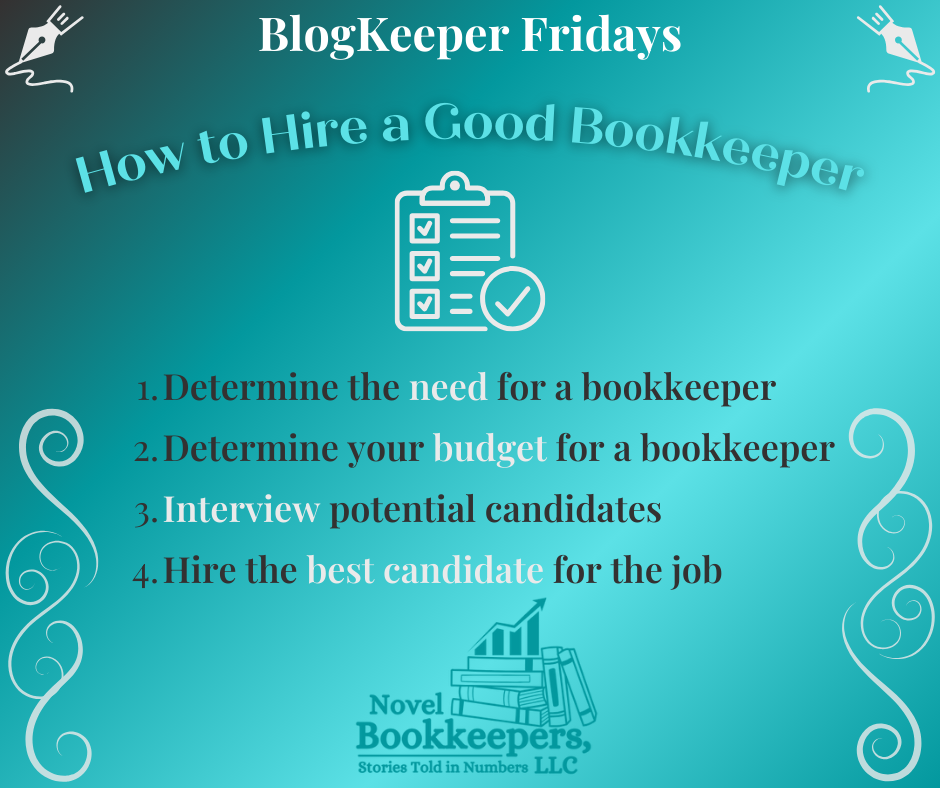
The bookkeeper hiring process is an important step to keep your business finances organized. Whether you’re a small business owner or scaling up, hiring the right bookkeeper ensures accurate records, smoother tax preparation, and smarter financial decisions. But with so many options, how do you make the best choice? Here are a few steps that you can follow.
By understanding the bookkeeper hiring process and following these four steps, you can find the perfect bookkeeper for your business with confidence.
Step 1: Determine If You Need a Bookkeeper
Before jumping into the bookkeeper hiring process, take a moment to assess whether your business truly needs one. Bookkeepers do more than record transactions—they help maintain financial stability and ensure accuracy in reporting.
Ask yourself:
✔ Are my financial records a mess?
✔ Am I spending too much time on bookkeeping instead of growing my business?
✔ Do I struggle with tracking expenses and cash flow?
✔ Am I unsure about my tax obligations?
If you answered “yes” to any of these, then it’s time to start choosing a bookkeeper who can handle these tasks efficiently. Hiring the right professional can save time, reduce stress, and prevent costly mistakes.
📌 Pro Tip: Even if you’re managing now, a bookkeeper helps your business stay financially strong as it grows. A well-managed bookkeeping budget allows you to invest in the right financial support for your business.
Step 2: Set Your Bookkeeping Budget
Before you start looking for candidates, it’s important to set a bookkeeping budget that aligns with your business needs. Your budget will help you decide whether to hire an in-house bookkeeper, outsource services, or work with a bookkeeping firm.
✔ Scope of Work: Do you need help with just transactions, or full financial reporting?
✔ Experience Level: More experienced bookkeepers may charge higher rates.
✔ In-House vs. Outsourced: Hiring an in-house bookkeeper can be costly, while outsourcing provides flexibility.
💡 How much should you budget? The cost of a bookkeeper varies based on experience and services offered. If you’re in the bookkeeper hiring process, having a well-planned bookkeeping budget ensures you can afford the right level of support.
Many small businesses find outsourcing bookkeeping to be a cost-effective and time-saving solution. According to IRS Tax Relief, outsourcing saves business owners an average of 9 hours per week, allowing them to focus on operations and growth rather than paperwork. Additionally, outsourced bookkeeping services help reduce stress by ensuring financial records are accurate and tax-ready, ultimately supporting small business growth.
Step 3: Choosing a Bookkeeper That Fits Your Needs
Once you have a bookkeeping budget, the next step in the bookkeeper hiring process is choosing a bookkeeper who meets your business needs. Not all bookkeepers are the same, so it’s essential to evaluate candidates carefully.
✔ Industry Experience – Do they have experience in your field?
✔ Software Knowledge – Are they familiar with QuickBooks Online or the software you use?
✔ Service Offerings – Do they provide bank reconciliations, financial reports, and tax preparation support?
💡 Pro Tip: Before choosing a bookkeeper, ask for client references and read reviews to ensure they have the skills and experience needed for your business.
Step 4: Conduct a Strong Bookkeeper Interview Process
The bookkeeper hiring process isn’t complete without interviews. When choosing a bookkeeper, it’s crucial to ask the right questions to ensure they’re the best fit for your business. Consider these key questions:
✔ How do you ensure accuracy in financial records?
✔ What bookkeeping software do you use?
✔ Do you provide financial reports, and how often?
✔ How do you handle tax preparation and collaboration with accountants?
By asking these essential questions, you can ensure that your bookkeeping budget is well spent on a skilled professional who can help your business succeed.
Final Thoughts
Completing the bookkeeper hiring process is one of the most important steps in setting your business up for financial success. A skilled bookkeeper helps manage your records, plan for growth, and reduce financial stress.
📌 Remember:
✔ Determine if your business needs a bookkeeper before starting the hiring process.
✔ Establish a clear bookkeeping budget to guide your hiring decision.
✔ Look for experience, reliability, and strong bookkeeping software skills.
✔ Take your time when choosing a bookkeeper to ensure they fit your business needs.
As the U.S. Small Business Administration (SBA) highlights, maintaining proper bookkeeping is essential for keeping your business running smoothly and ensuring financial stability.
📲 Need guidance on hiring a bookkeeper? Let’s chat!