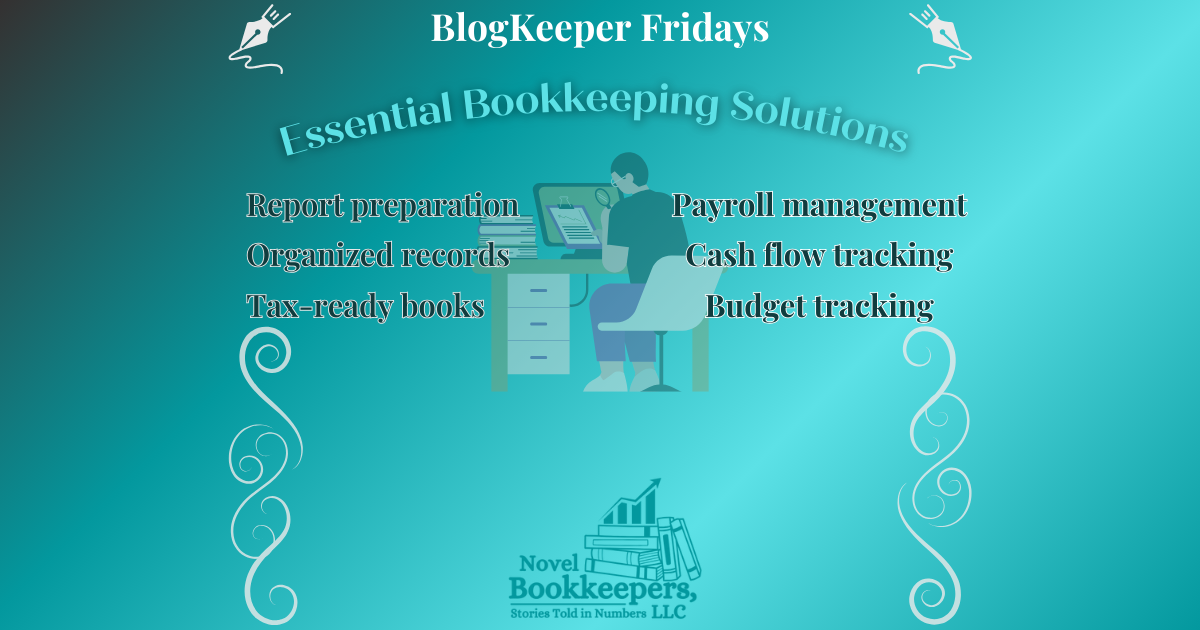
Managing your business finances takes time and effort. To keep everything organized can feel a bit much. That’s where bookkeeping solutions come in. So how can a bookkeeper help? A skilled bookkeeper helps with financial record tracking, budgeting strategies, and ensuring your numbers make sense—all while freeing up your time.
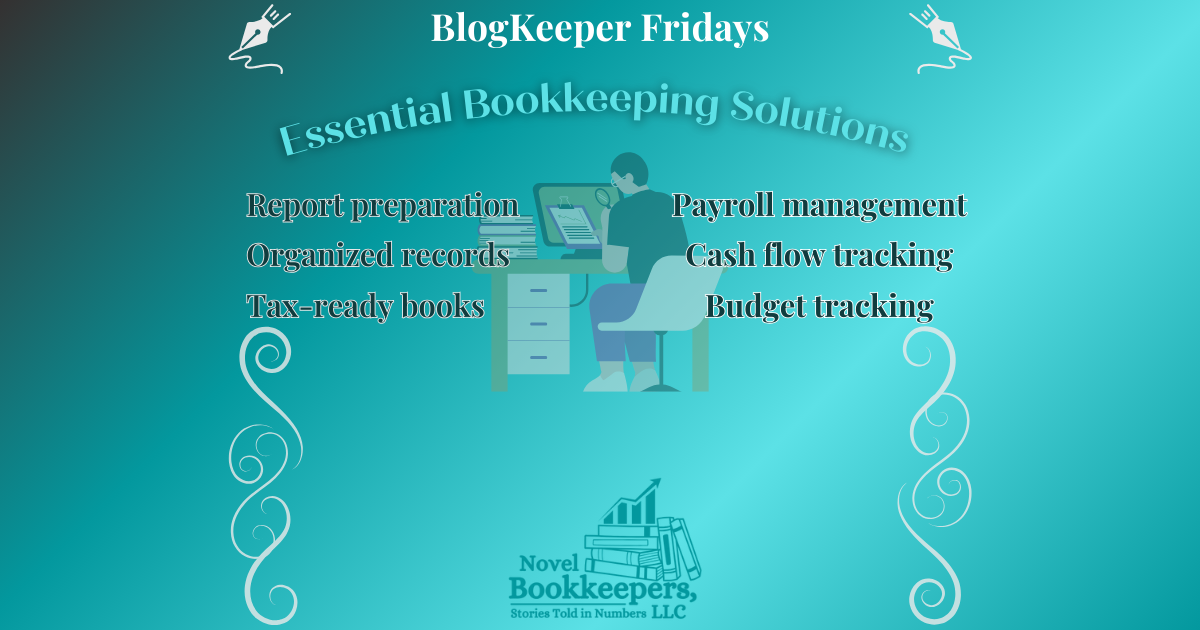
Not sure what a bookkeeper actually does? Here’s a look at the essential bookkeeping solutions that can support your business growth.
1. Accurate Financial Record Tracking
A strong financial foundation starts with financial record tracking. A bookkeeper records every transaction—money coming in and going out—so that you always have accurate financial records.
Key tasks include:
✔ Recording sales, expenses, and payments
✔ Categorizing transactions correctly
✔ Reconciling bank statements
✔ Maintaining organized records for tax time
Why it matters: When your records are up to date, you can make better financial decisions and avoid costly mistakes. Plus, come tax season, everything is in order for your tax accountant.
2. Budgeting Strategies for Smarter Spending
A budget keeps your business on track, and a bookkeeper helps create budgeting strategies that align with your financial goals.
How bookkeepers assist with budgeting:
✔ Reviewing past income and expenses to identify patterns
✔ Setting realistic spending limits
✔ Helping plan for future expenses and investments
✔ Monitoring actual spending versus budgeted amounts
Why it matters: Without a clear budget, it’s easy to overspend or miss growth opportunities. Bookkeepers help businesses stay financially responsible while planning for success.
3. Monthly & Yearly Financial Reports
Financial reports are essential for understanding how your business is doing. Bookkeepers prepare key reports, including:
✔ Profit & Loss Statement – Shows revenue, expenses, and net profit
✔ Balance Sheet – Displays assets, liabilities, and owner’s equity
✔ Cash Flow Statement – Tracks how money moves in and out of your business
Why it matters: These reports provide valuable insights into business performance and help with long-term planning. Investors and lenders may also require them when considering funding your business.
4. Payroll & Expense Management
A bookkeeper can handle payroll processing, ensuring employees and contractors are paid accurately and on time. They also track business expenses and reimbursements.
Key payroll and expense tasks include:
✔ Managing employee paychecks and direct deposits
✔ Calculating tax withholdings and deductions
✔ Tracking business-related expenses for tax deductions
✔ Ensuring compliance with labor laws and payroll regulations
Why it matters: Payroll mistakes can be costly, and tracking expenses ensures your business claims the right deductions come tax time.
5. Helping with Tax Prep
While not all bookkeepers file taxes, they make tax preparation much easier. By keeping clean records and categorizing transactions properly, they help tax accountants file returns more efficiently.
How bookkeepers support tax prep:
✔ They organize income and expense transactions
✔ They ensure receipts and invoices are properly stored
✔ They can help identify potential tax deductions
✔ They communicate with your CPA for a smooth filing process
Why it matters: To stay organized throughout the year means no more last-minute tax stress and helps you maximize deductions.
Bookkeeping Solutions: Final Thoughts
Effective bookkeeping solutions keep your business running smoothly by tracking finances, managing budgets, and preparing financial reports. With the right bookkeeping support, you gain clarity, save time, and set your business up for growth.
💡 Want to simplify your financial record tracking and budgeting strategies? Let’s chat! 📲