Many business owners think bookkeeping and accounting are the same. Both help manage business finances, but each has its own role. Knowing the difference helps business owners make better financial decisions and keep their books in order.
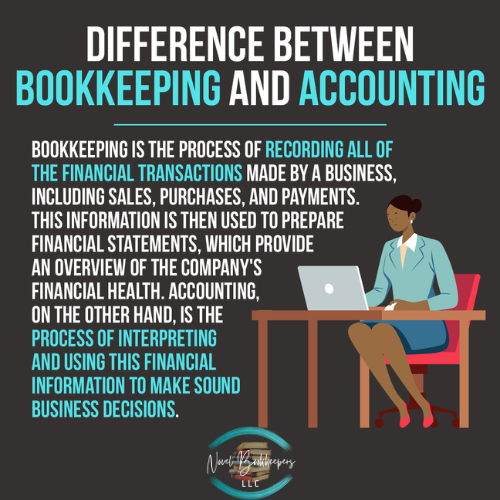
Let’s break down bookkeeping vs. accounting, how they differ, and which one your business needs.
What Is Bookkeeping?
Bookkeeping is the daily tracking of money coming in and going out of a business. It keeps records accurate and up to date.
Key Bookkeeping Tasks:
✔ Recording daily transactions
✔ Reconciling bank statements
✔ Managing invoices and payments
✔ Tracking business finances and expenses
✔ Preparing internal reports
📌 Can bookkeepers prepare financial statements?
Yes, but these reports are for internal use. Bookkeepers track transactions, while accountants analyze financial data.
What Is Accounting?
Accounting takes bookkeeping data and turns it into useful information. Accountants review financial records, prepare financial statements, and offer business advice.
Key Accounting Tasks:
✔ Analyzing business finances
✔ Preparing official financial reports for investors, banks, or tax agencies
✔ Ensuring tax compliance and filing tax returns
✔ Helping businesses plan for growth
📌 Can bookkeepers and accountants both prepare financial statements?
Yes, but bookkeepers create internal reports, while accountants prepare official reports for banks, investors, and tax purposes.
Bookkeeping vs. Accounting: Key Differences Explained
| Feature | Bookkeeping | Accounting |
|---|---|---|
| Purpose | Records daily transactions | Analyzes financial data |
| Tasks | Tracks sales, expenses, and payments | Prepares financial reports and tax filings |
| Financial Statements | Creates reports for business owners | Prepares official statements for banks and investors |
| Role in Business | Keeps records organized | Helps with business planning and strategy |
| Compliance | Ensures records are correct | Ensures tax and legal compliance |
📌 How do bookkeepers and accountants work together?
✔ Bookkeepers track daily money flow.
✔ Accountants analyze financial records and help businesses grow.
Do You Need a Bookkeeper, an Accountant, or Both?
Every business needs accurate financial records, but not all need an accountant full-time. Here’s how to decide:
👉 Hire a bookkeeper if: You need help tracking sales, recording expenses, and keeping records organized.
👉 Hire an accountant if: You need tax filing, financial analysis, or advice on business growth.
👉 Hire both if: You want full financial support, from daily tracking to business planning.
Most small businesses start with a bookkeeper and use an accountant as needed.
Your Financial Records & Business Finances Will Thank You
Both bookkeeping and accounting are key to a strong business. Bookkeeping vs. accounting shows how bookkeeping keeps records accurate, while accounting turns records into insights. Knowing the difference helps business owners keep their finances on track.
As the U.S. Small Business Administration (SBA) explains, good bookkeeping is needed for small business growth and success. Learn more about financial management on the SBA website.
💡 Want better control of your business finances? Understanding bookkeeping vs. accounting is the first step!
📲 Need help managing your bookkeeping? Let’s chat!