Starting a business is an exciting journey, but it comes with its own set of challenges. One of the most crucial aspects of setting up a successful business is getting your finances in order right from the start. Here are three essential bookkeeping tips to help you manage your business finances efficiently and set yourself up for long-term success.
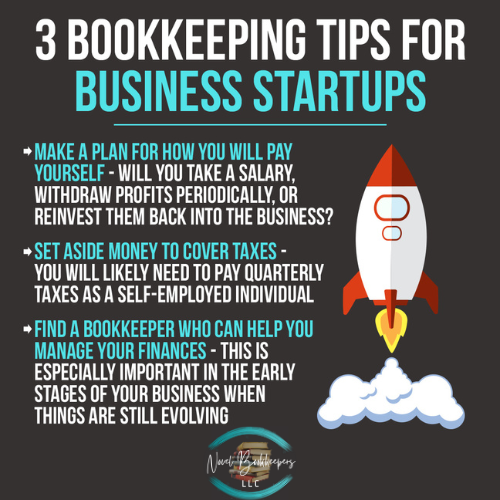
1. Make a Plan for How You Will Pay Yourself
As a business startup owner, one of the first things you need to decide is how you will pay yourself. Will you take a salary, withdraw profits periodically, or reinvest the earnings back into the business? The way you pay yourself can affect not only your personal finances but also your business structure and taxes. By making this decision early, you can ensure that you’re financially prepared for what’s to come as your business grows.
Key Takeaways:
- Decide between salary, profit withdrawals, or reinvestment
- Consider how your choice affects your business taxes and structure
- Plan ahead for personal and business financial needs
2. Set Aside Money to Cover Taxes
As a new business owner, it’s essential to set aside money for taxes, especially since you’ll likely need to pay quarterly taxes as a self-employed individual. Keeping a separate savings account for tax payments is a simple way to ensure you don’t find yourself scrambling for cash when tax season arrives. It’s crucial to plan ahead and account for your tax obligations as early as possible to avoid any surprises.
Key Takeaways:
- Set aside a percentage of your earnings for tax payments
- Plan for quarterly tax filings if you’re self-employed
- Keep your tax money in a separate account to avoid accidental spending
For more detailed information on tax requirements for small businesses, you can refer to the IRS Self-Employed Tax Center.
3. Find a Bookkeeper Who Can Help You Manage Your Finances
In the early stages of your business, managing your finances might feel overwhelming. Finding a professional who can help with bookkeeping can make a huge difference in keeping your financial records in order. A good bookkeeper can help you track your expenses, categorize transactions, and make sure you’re staying compliant with tax laws. They can also offer advice on how to best manage your finances as your business grows.
Key Takeaways:
- Invest in a professional bookkeeper to keep your finances organized
- A bookkeeper can help with tax compliance and financial planning
- Starting with professional help can set your business up for growth
For more resources on managing your finances and understanding bookkeeping for small businesses, check out the SBA Accounting and Bookkeeping Basics.
4. Business Startups and Bookkeeping Tips: Review and Refine Your Strategy
As your business expands, it’s important to revisit your business startup bookkeeping practices to ensure they evolve with your needs. Regularly reviewing your financial strategies can help you stay on top of your cash flow, identify areas for improvement, and adjust your approach to managing taxes, expenses, and profits. Continuously refining your strategy will keep your business on track for sustained growth and profitability.
Key Takeaways:
- Regularly assess your bookkeeping system for any needed changes
- Make adjustments based on growth and shifting business needs
- An evolving strategy ensures continued financial success
Conclusion: Bookkeeping Tips for Long-Term Growth of Business Startups
Setting up your business with the right financial practices in place can ensure a smoother path to success. By planning ahead, saving for taxes, and bringing in professional help, you’ll set your business up for long-term growth. Business startups can be overwhelming, but effective bookkeeping tips can make all the difference in managing your business finances from day one.
Ready to talk to a bookkeeper? Contact Amanda with Novel Bookkeepers, LLC today!